
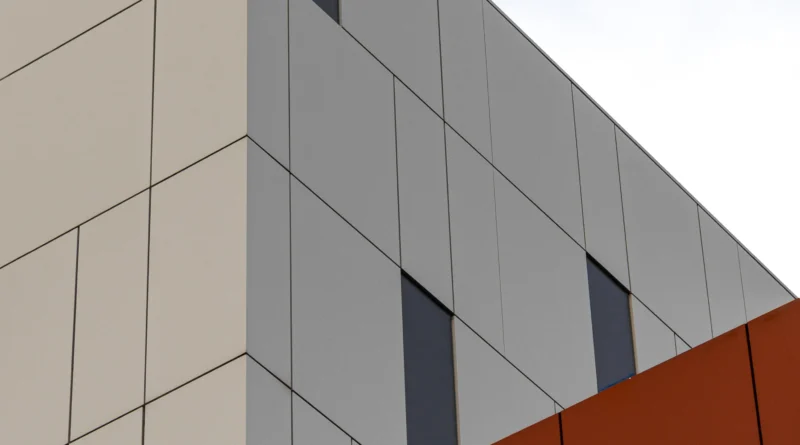
Which Facade Cladding Material Is The Best
Picking the proper facade cladding material ranks as a key choice in building design. It shapes the structure’s look and feel. It also affects how well the building holds up, lasts, and impacts the environment. You probably know that facade cladding works as a shield and a style choice. It links solid engineering with fresh ideas. But deciding among options like metal, stone, glass, or composite panels gets tricky. Each type brings its own pluses based on weather, upkeep needs, and project size.
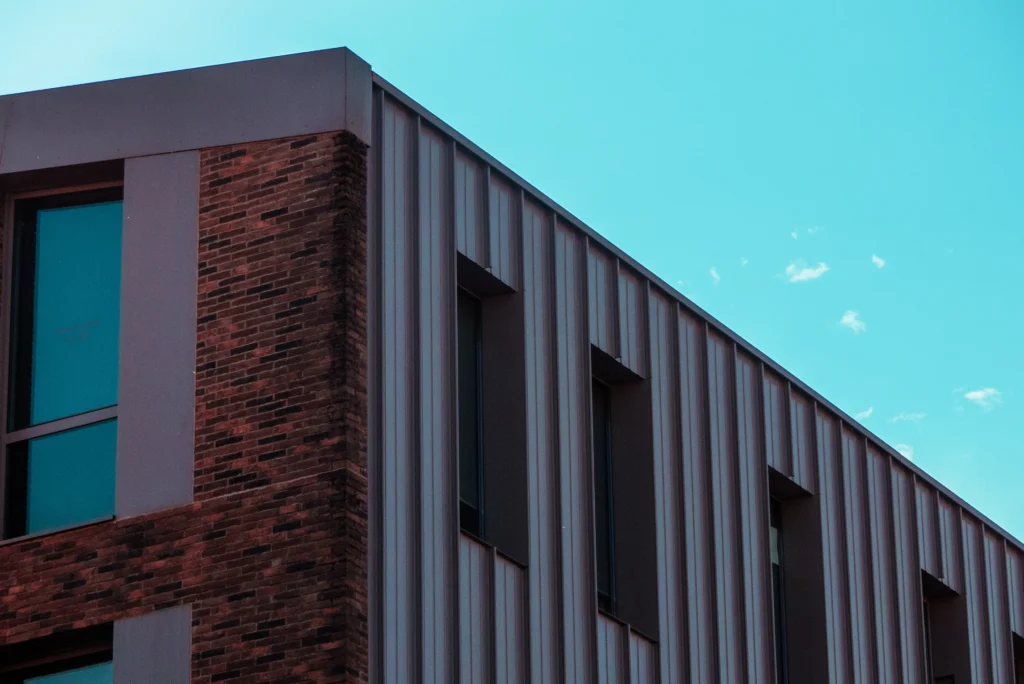
What Factors Influence the Choice of Facade Cladding Material?
You should think about what guides your pick before looking at each material. Builders and planners often check things like looks, price, how long it lasts, green aspects, and setup ease. These points mix together. They seldom match up just right. Take natural stone, for instance. It gives a real feel and stays strong for years. Yet it costs more and needs solid support.
Aesthetic Appeal and Architectural Vision
The building’s front serves as its main face. The cladding pick needs to match the planned style. Think sleek metal for today’s office spaces. Or cozy wood for home builds. In city projects, glass walls often take the lead. They show openness and new thinking. Plus, they let in plenty of natural light.
Durability and Maintenance Requirements
How tough a material is sets its true worth over time. Things out in sun, rain, or city dirt must fight off color loss or rust. Metal sheets with special covers do great near the sea. Salt there speeds up damage. On the other hand, raw wood needs steady care to avoid rot. I recall a seaside project where untreated panels failed fast, teaching us to always check local conditions first.
Cost Efficiency and Installation Complexity
Money limits shape nearly every build choice. Ready-made aluminum composite panels weigh little. They go up quick, cutting worker time over heavy brick setups. But don’t skimp on safety or staying power for short-term savings. Low-cost picks can mean bigger repair bills down the road. In one case I heard about, a cheap option led to fixes every few years, doubling the total spend.
How Does Metal Cladding Compare to Other Materials?
Metal cladding stands out as a top pick for business buildings. It bends to many shapes and looks. It mixes toughness with low weight. This lets designers play with feels like smooth aluminum or hole-patterned steel. It’s not always the flashiest, but its everyday reliability wins out in practical jobs.
Aluminum Composite Panels
Aluminum composite panels (ACP) see heavy use. They mix good prices with shape options. These panels have two aluminum layers stuck to a plastic or rock core. That setup adds strength without extra heft. You can get ACP in many shades and styles. Some even look like rock or wood, minus the load. For a mid-rise office in a rainy spot, we picked ACP for its quick fit and fade-proof colors – it held up well after two wet seasons.
Steel Panels
Steel beats aluminum in power and fire hold. But it weighs more and can rust without care. Coated or special steel types last much longer. They fit factory sites where strength matters over pretty looks. Steel’s no-nonsense vibe suits rough work, though watch for weight in tall builds.
Copper and Zinc Finishes
Copper gains a green layer as years pass. Many designers like that natural change. Zinc shifts too, but in softer shades from blue-gray to dark black. Both come from scrap-friendly sources. They stand the test of time. Still, they cost extra. In historic revamps, copper’s patina adds that old-world charm without much fuss.
Are Natural Materials Still Relevant in Modern Facades?
Even with new fake stuff on the market, real picks like rock or wood stay in demand. They offer a touch you can feel and a look that never dates. Using them shows real skill and true feel. That’s tough to fake with man-made boards. Sure, tech pushes synthetics, but nothing beats the real deal for warmth in family homes.
Stone Cladding
Granite, limestone, or sandstone fronts shout lasting class. They handle tough weather thanks to their thick build. But they need firm frames due to the load. Getting stone from mines brings green worries. You have to weigh that against the style win. Picture a bank lobby with limestone – it feels solid, like it could last forever, and clients notice.
Timber Facades
Wood adds a friendly glow and one-of-a-kind patterns no factory item copies. Built wood like cross-laminated timber (CLT) cuts bend problems seen in plain planks. You must seal it right to block water soak. Timber’s great for eco-builds, though it needs that extra step to shine long-term.
Brick Veneers
Brick keeps its spot in old and new styles alike. Slim brick layers give the full wall vibe without heavy strain on supports. They hold heat well in wall setups with insulation. Brick’s classic appeal never fades, especially in neighborhood projects where it blends right in.
How Do Glass Facades Perform Functionally?
Glass fronts rule city views today. They blend style with smart energy use if planned well. But how they work ties to the glass tech and frame setup. It’s not just pretty; get it wrong, and bills soar from poor insulation.
Energy Efficiency Through Glazing Technology
Two- or three-layer glass with gases like argon boosts warmth keep far better than one sheet. Special low-glow coats cut heat move while keeping views clear. In sunny spots, this setup saved one hotel 25% on cooling costs last summer, per their energy logs.
Acoustic Control Properties
In loud city spots, layered glass cuts noise by up to 40 decibels based on thick mixes (source: Saint-Gobain Technical Data Sheet 2023). That fits office high-rises near busy roads. It makes inside talks easier without constant hum.
Safety Considerations
Hardened or layered glass keeps bits stuck if it breaks. It avoids sharp scatter – vital under rules like EN 12600:2002 (European Committee for Standardization). Safety first in crowds means no risks from falls.
What Role Does Sustainability Play in Choosing Facade Cladding?
Green thinking now guides material picks as rules get stricter on carbon output. Life checks turn common in building work. It’s not just buzz; real projects track impact from start to end. Sometimes, a small green swap cuts waste big time.
Recyclability of Materials
Metals such as aluminum reuse forever without drop in quality. That’s a big win over mixed plastic boards that muddle recycle lines (source: World Aluminium Association Report 2022). Easy recycle means less dump pile over time.
Energy Performance Contribution
Front systems help save daily power through warmth ratings in U-factors (W/m²K). Top claddings trim heat needs by up to 30% from Building Research Establishment studies (BRE Global 2021). Better walls mean lower bills year-round.
Environmental Certifications
Builds aiming for LEED or BREEAM scores gain from checked low-waste items via Environmental Product Declarations (EPDs). These papers back up green claims in checks. Certifications help win bids in eco-focused markets.
How Should You Decide Which Material Fits Your Project Best?
In the end, no single facade cladding material tops all. You find the right one for your setup. Weather, cash limits, style wants, upkeep okay, and green aims all mix in ways special to each job. Rushing picks often leads to regrets, so take time.
Climate-Responsive Design Approach
Warm areas like shiny metals or air-flow fronts that push heat away. Cold places do better with wrapped rock layers that trap heat over slim metal covers. Match to local weather for best results – a desert build with dark stone? Not smart.
Lifecycle Cost Analysis
Look past first costs to full spend over many years. That covers wash rounds, paint jobs, swap times, and trash fees at close. One overlooked repair cycle can add thousands, as seen in urban upkeep reports.
Collaboration Between Disciplines
Best front results come from team work early on. Architects, frame experts, builders, and suppliers match tech fit with design goals from the start. Shared input avoids costly changes later. In my view from past projects, skipping this step always bites back.
FAQ
Q1: What Is the Primary Purpose of Facade Cladding?
A: It guards key parts from weather hits. At the same time, it sets the building’s style through picked feels and covers.
Q2: Which Cladding Material Offers the Longest Lifespan?
A: Natural stone often lasts the most if set right. Some granite fronts have stood over 100 years, per RIBA Journal field checks (2020). That’s real staying power.
Q3: Are Composite Panels Fire-Resistant?
A: Just rock-core ACPs hit tough fire rules like EN 13501-1 Class A2. Plastic cores don’t suit tall builds after 2017 event checks worldwide. Safety trumps all here.
Q4: Can Timber Be Used Safely on Exterior Walls?
A: Yes. Use treatments against water with sun-proof coats or deep soak methods under BS EN 335 classes. Done right, it serves well.
Q5: How Do You Maintain Metal Facades Over Time?
A: Wash often with mild soaps to stop rust build. Anodized types might need fresh seal every five years by exposure, as in Alucobond Care Manual (2022). Simple steps keep it looking sharp.