
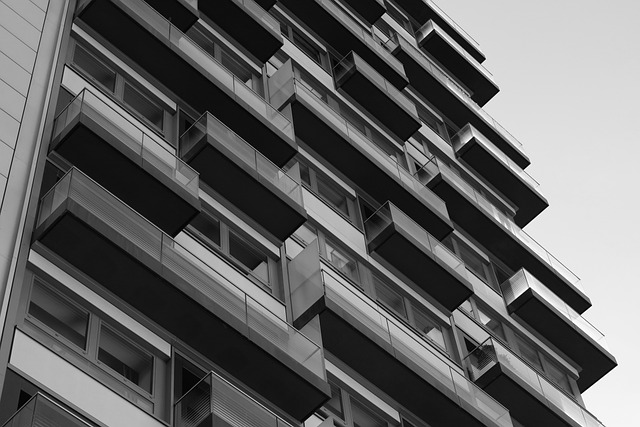
How Does Anodized Aluminum Influence Sustainable Building Design Principles
The Role of Anodized Aluminum in Sustainable Building Design
Material selection has become one of the most decisive factors in sustainable architecture. When you choose a building material, you aren’t just selecting for appearance or strength; you’re shaping the structure’s environmental footprint for decades. Anodized aluminum, with its blend of resilience, recyclability, and visual flexibility, fits neatly into the principles of sustainable building design. It bridges the gap between performance and environmental responsibility while meeting modern aesthetic demands.
The Connection Between Material Choice and Sustainability
Every sustainable design project begins with a careful look at what materials can endure both time and climate without frequent replacement. Aluminum’s inherent properties—lightweight yet strong—make it a logical candidate for green construction. When anodized, its surface becomes even more durable, corrosion-resistant, and maintenance-free. This means less repainting, fewer chemical treatments, and longer service life. In practice, anodized aluminum panels on façades or window frames can last several decades with minimal upkeep, directly reducing resource use over time. Integrating anodized finishes also helps architects achieve visual depth through metallic tones that don’t fade easily under UV exposure.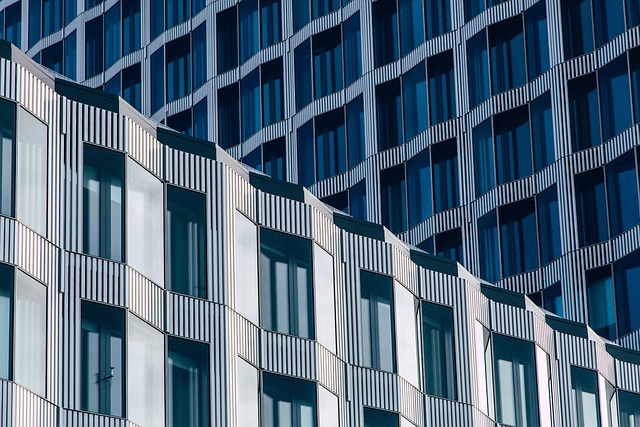
The Environmental Significance of Anodizing Processes
The anodizing process itself is environmentally considerate compared to many surface treatments. Instead of applying synthetic coatings or paints that can emit volatile organic compounds (VOCs), anodizing modifies the metal surface electrochemically to form a stable oxide layer. This layer not only resists corrosion but also eliminates the need for harmful protective coatings. Over recent years, technological improvements have made anodizing more efficient—manufacturers now use closed-loop water systems and lower-energy electrolytic baths to reduce consumption during production. The result is a finish that performs better for longer while minimizing environmental impact throughout its lifecycle.
Durability and Longevity as Core Principles of Sustainable Design
Durability sits at the heart of sustainability because the longer a material lasts, the fewer resources are needed for repair or replacement. Anodized aluminum’s extended lifespan makes it an ideal choice for structures exposed to harsh weather conditions or coastal environments where salt corrosion is a concern.
How Anodized Aluminum Enhances Structural Longevity
When aluminum undergoes anodization, it develops an oxide layer that bonds integrally with the metal beneath rather than sitting as an external film. This layer protects against pollutants, UV radiation, and moisture ingress—all factors that typically degrade building materials over time. For example, curtain wall systems using anodized aluminum frames maintain their structural integrity even after decades of exposure to urban pollution and temperature fluctuations. That longevity translates directly into sustainability because fewer replacements mean less energy used in manufacturing new components and less waste entering disposal streams.
Maintenance Efficiency in Sustainable Architecture
Maintenance often represents a hidden environmental cost in buildings. Frequent repainting or chemical cleaning adds both financial and ecological burdens over time. With anodized aluminum surfaces, however, maintenance needs are minimal—usually limited to simple washing with mild soap and water. This reduces reliance on harsh cleaning agents and lowers operational emissions associated with upkeep activities. Moreover, since anodized finishes retain their original color tone without peeling or chalking, they maintain aesthetic consistency throughout their service life—a key factor in preserving architectural value.
Energy Efficiency and Thermal Performance in Building Envelopes
Energy efficiency is another cornerstone of sustainable design where façade materials play a crucial role. Aluminum’s reflective nature contributes significantly to thermal regulation when applied intelligently within building envelopes.
The Contribution of Anodized Aluminum to Energy-Efficient Facades
Anodized aluminum panels reflect solar radiation effectively, supporting passive cooling strategies particularly valuable in warm climates. By reflecting heat away from building surfaces, they reduce interior cooling loads and energy demand from air conditioning systems. When paired with insulated backing panels or thermally broken framing systems, these façades help maintain comfortable indoor temperatures year-round. Architects can tailor surface finishes—ranging from matte to high-gloss—to optimize reflectivity based on building orientation or regional climate conditions.
Adaptive Design Opportunities Using Anodized Aluminum Systems
Lightweight yet robust, anodized aluminum allows designers to create adaptable façade systems that respond to evolving sustainability standards. Modular panel designs simplify installation and make future renovations less wasteful since individual panels can be replaced without dismantling entire sections. Additionally, anodized surfaces are compatible with photovoltaic modules or shading louvers, enabling integration into energy-generating façades that further enhance overall building performance.
Recyclability and Circular Economy Considerations
Sustainable architecture increasingly depends on circular economy principles—keeping materials in use as long as possible through reuse and recycling loops.
Life Cycle Benefits of Recyclable Aluminum Components
Aluminum stands out among metals for its ability to be recycled indefinitely without losing quality or mechanical properties. Recycling aluminum consumes about 95% less energy compared to producing primary metal from bauxite ore (source: International Aluminium Institute). This massive energy saving underscores why specifying recyclable materials like anodized aluminum supports carbon reduction targets across construction projects worldwide.
Waste Reduction Through Design for Disassembly
Designing buildings with disassembly in mind ensures that materials can re-enter production cycles at end-of-life rather than becoming landfill waste. Anodized aluminum components—thanks to their modular fabrication—can be easily separated from other elements such as glass or insulation layers during deconstruction. This approach not only simplifies recycling logistics but also encourages architects to think holistically about each material’s full lifecycle during early design stages.
Aesthetic Versatility Supporting Sustainable Architectural Expression
Beyond technical performance lies an equally important dimension: aesthetics that endure gracefully over time while aligning with eco-conscious values.
The Role of Finishes in Sustainable Aesthetic Integration
Unlike painted coatings requiring solvents or dyes containing VOCs, anodized finishes achieve color through controlled electrochemical processes that produce stable metallic hues without harmful emissions. These finishes resist fading even under intense sunlight exposure—a major advantage for exterior applications in tropical regions or high-altitude environments where UV levels are strong. Their visual stability means buildings retain their intended appearance far longer than those relying on traditional paint systems.
Harmonizing Functionality with Environmental Responsibility
Sustainability doesn’t have to come at the expense of beauty; rather it enhances it when materials perform reliably while looking refined year after year. Reflective anodized surfaces contribute subtly to daylight optimization by distributing natural light deeper into interior spaces—reducing artificial lighting needs during daytime hours. This interplay between form and function exemplifies how thoughtful material selection strengthens both occupant comfort and environmental outcomes simultaneously.
FAQ
Q1: What makes anodized aluminum suitable for sustainable buildings?
A: Its durability, recyclability, low maintenance requirements, and ability to enhance energy efficiency make it ideal for long-term sustainable construction projects.
Q2: Does the anodizing process harm the environment?
A: Modern anodizing techniques use closed-loop water systems and reduced-energy processes that significantly limit environmental impact compared to traditional coating methods.
Q3: How long can anodized aluminum last in outdoor applications?
A: Properly maintained anodized surfaces can last several decades without significant degradation even under harsh weather conditions.
Q4: Can anodized aluminum be recycled multiple times?
A: Yes, aluminum retains its properties through endless recycling cycles without losing strength or quality, supporting circular economy goals.
Q5: Are there color limitations with anodized finishes?
A: While colors are typically metallic tones rather than bright pigments, advances in electrolytic coloring allow a wide range of natural shades suitable for diverse architectural styles.