
Can Pool House Plans Enhance Property Value in Bolton Homes
Homeowner Submits Plans for Pool House at Bolton Home
A homeowner’s decision to submit plans for a pool house in Bolton highlights a growing architectural and economic trend. Pool house plans are no longer seen as luxury add-ons but as strategic property enhancements that blend design, functionality, and market foresight. In Bolton’s evolving suburban landscape, these structures serve both aesthetic and practical roles—expanding living space while reinforcing property value. This article explores how pool house plans integrate with existing bungalow house designs, influence local real estate economics, and align with Bolton’s planning framework.
The Architectural Value of Pool House Plans in Bolton Properties
Bolton’s residential architecture increasingly favors auxiliary buildings that extend the livability of outdoor spaces. A well-designed pool house adds coherence to the property’s visual narrative while offering tangible lifestyle benefits.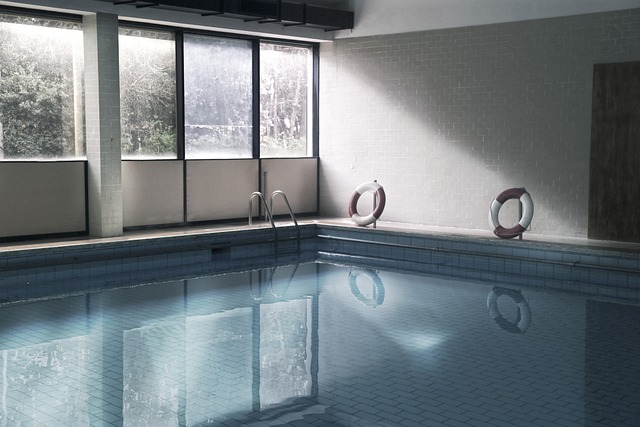
Understanding the Role of Auxiliary Structures in Property Design
Pool houses act as functional extensions of residential architecture. They organize outdoor zones into purposeful areas for recreation, storage, or hospitality. When aligned with the main dwelling’s design language, these structures enhance spatial flow and create unified visual symmetry. Their placement often determines how residents experience transitions between indoor comfort and open-air leisure.
How Pool House Plans Complement Bungalow House Designs
Bungalow house plans naturally pair with single-level pool houses due to their shared horizontal emphasis. Consistent use of materials such as cedar siding or stone masonry maintains architectural harmony across the site. Large glass doors or covered verandas can blur boundaries between interior lounges and poolside patios, improving usability during Bolton’s warmer months. The result is a layout that feels seamless rather than segmented.
Economic Implications of Adding a Pool House in Bolton Homes
Beyond design appeal, the financial rationale for building a pool house is compelling. Local appraisers frequently note that quality-built outbuildings can elevate overall property valuation when executed with attention to proportion and finish.
Assessing Return on Investment for Pool House Construction
Return on investment depends heavily on craftsmanship and purpose. A modest utility structure may yield limited returns, while a fully equipped entertainment suite can significantly increase resale potential. In Bolton’s competitive housing market, buyers often equate such amenities with prestige and convenience. As demand for leisure-focused properties rises, homeowners see measurable value appreciation from these additions.
Influence of Market Trends on Property Value Enhancement
Bolton’s suburban expansion has encouraged higher expectations for home amenities. Buyers increasingly favor properties offering resort-like features—pools, cabanas, or outdoor kitchens—that support year-round enjoyment. Seasonal usability also shapes perception: a heated or insulated pool house retains appeal through colder months, sustaining its contribution to long-term property worth.
Design Considerations for Effective Pool House Planning
Designing an effective pool house requires thoughtful coordination between spatial logic and environmental context. Each choice—from zoning layout to material palette—affects both performance and appearance over time.
Spatial Planning and Functional Zoning Strategies
Successful layouts divide the interior into zones for entertainment, changing facilities, storage, or mechanical systems. Circulation paths should allow smooth movement from water areas to indoor seating without disrupting privacy. Distance from the main residence must strike balance: close enough for convenience yet far enough to maintain acoustic separation during gatherings.
Material Selection and Environmental Integration
Bolton’s variable climate demands materials that resist moisture and temperature shifts—treated timber, composite decking, or stone cladding are common options. Incorporating sustainable building methods such as insulated glazing or solar-ready roofing reduces maintenance costs while improving energy efficiency. Landscaping integration completes the composition by linking built forms with natural surroundings through native plantings or terraced lawns.
Regulatory and Planning Aspects in Bolton Construction Projects
Compliance remains central when introducing new structures within municipal boundaries. Early collaboration among stakeholders helps navigate complex approval processes efficiently.
Navigating Local Building Codes and Permit Requirements
Municipal codes regulate setback distances, drainage systems, height limits, and structural safety standards for auxiliary buildings. Adhering to zoning bylaws prevents costly redesigns later in construction stages. Consulting planning officers before submission allows homeowners to align proposals with neighborhood character guidelines.
Collaboration Between Architects, Builders, and Homeowners
Architects translate conceptual vision into technical feasibility while contractors manage execution within budgetary constraints. Transparent communication ensures each phase—from schematic design to final inspection—meets client expectations without compromising craftsmanship quality or schedule integrity.
Long-Term Benefits of Incorporating Pool House Plans into Residential Properties
A well-executed pool house delivers more than short-term enjoyment; it reinforces lifestyle flexibility and strengthens investment resilience against shifting market conditions.
Enhancing Lifestyle Quality Through Functional Design Additions
When properly insulated or enclosed, pool houses enable recreational use throughout all seasons—whether hosting family events or serving as quiet retreats. Their adaptable interiors can double as guest quarters or creative studios during off-season months. Integrated amenities like small kitchens or showers further elevate daily comfort levels.
Future-Proofing Residential Investments in Bolton’s Housing Market
Adaptive architecture supports evolving family dynamics without major reconstruction costs later on. By aligning design foresight with durable materials and efficient layouts, homeowners secure enduring appeal within premium market tiers. Over time, such strategic planning positions properties competitively amid Bolton’s steady demand for high-quality residences.
FAQ
Q1: Are pool houses subject to separate building permits in Bolton?
A: Yes, most municipalities require distinct permits outlining structural details and compliance with zoning bylaws before construction begins.
Q2: How much does a typical pool house add to home value?
A: Depending on size and finish level, appraisers estimate value increases ranging from 5% to 15% relative to comparable homes without similar amenities.
Q3: Can a bungalow-style home accommodate modern pool house designs?
A: Absolutely; single-story layouts naturally complement bungalows when proportions and materials remain consistent across both structures.
Q4: What sustainable features are recommended for Bolton climates?
A: Energy-efficient glazing, permeable paving for drainage control, and insulated wall systems perform well under local weather variations.
Q5: Is it possible to convert an existing garage into a pool house?
A: In many cases yes—provided structural modifications meet code requirements for ventilation, waterproofing, and utility access upgrades suitable for recreational use.