
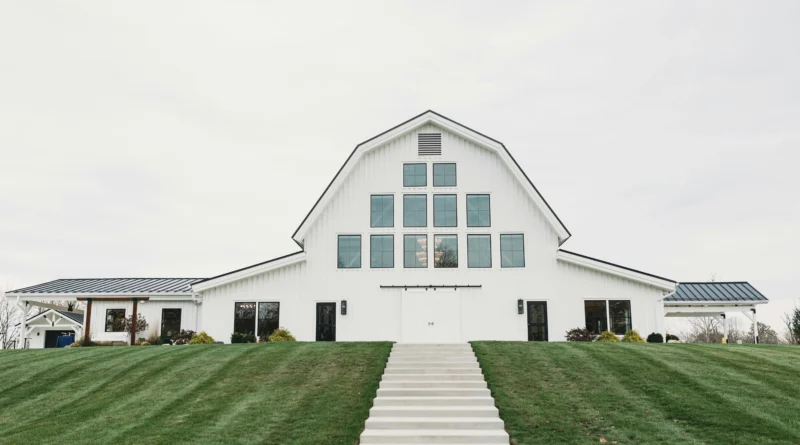
How To Design A Stunning Modern Farmhouse Exterior
Creating a modern farmhouse exterior means finding a good mix between cozy rural feels and fresh, smart looks. This style has grown from old farm homes into a sharp building choice. It joins ease with straight lines. For folks who know architecture or design well, the task is to keep things real. At the same time, they add new materials and plans that fit today’s needs for green living and real use. I remember seeing one project where the owners wanted that old barn vibe but with better insulation— it turned out great.
What Defines a Modern Farmhouse Exterior?
The modern farmhouse exterior pulls together old country parts with smooth, fresh touches. It is not about just copying those big red barns from the past. Instead, it reworks them for how we live now. The appeal shows up in good sizes, rough feels, and how materials work together. If you check out winning designs, you spot neutral colors, straight-up siding, and metal roofs. All these choices put the building’s shape first, not fancy extras.
Key Architectural Features
Modern farmhouse building styles often have sloped gable roofs, big front porches, and wide windows. These let in plenty of sunlight to bright open rooms inside. Straight shapes take the place of showy edges. This puts focus on simple work and skill, not lots of trim. Straight board-and-batten siding makes a steady pattern on the outside walls. Black-framed windows give a strong pop against white or light gray walls. In one house I saw in the Midwest, those windows made the whole front feel alive even on cloudy days.
Material Combinations
Blending materials sits at the heart of this look. Wood covers next to metal highlights or stone bottoms add real depth. They do this without taking over the main shape. Lots of builders pick up old wood for its rough feel. They pair it with aluminum or steel for a clean edge. The key is to hold steady—too much wood turns it too country. Too much metal makes it seem like a factory. Balance keeps it just right.
Color Palette and Finishes
White stays the top pick for farmhouse outsides. It bounces back light in a nice way. Plus, it lets other rough spots shine through. But soft grays, quiet greens, or deep dark grays gain fans too. These give a more solid, earth-bound style. Dull finishes on paint or metal cut down on bright shine. They help all the parts look like they belong together.
How Does Roof Design Influence the Overall Look?
The roof sets the main outline of any farmhouse outside. It catches your eye from way off. In new takes on this style, roof shapes stay plain but strong. They keep both real work and nice views clear. Think about how a simple pitch can change everything—I’ve noticed that in rural spots where roofs handle heavy snow.
Gable Roofs With Clean Lines
Gable roofs mark this style because they nod to old farm buildings. They also handle rain runoff well and let air move in the attic. Builders often stretch the edges out a bit. This makes shadows that point out the roof’s form. They avoid extra weight that could mess up the look.
Metal Roofing as a Modern Touch
Standing seam metal roofs pop up in many builds now. They last long and need little care. They help save energy too. That’s because they push back sun heat instead of soaking it up. This works great in hot areas, like down South where summers drag on.
Integration With Solar Panels
For people who care about the planet, adding solar panels fits right into the roof shape. It keeps the outside looking whole while boosting power use. You can set panels flat with the seams. Or tuck them behind short walls based on how the sun hits. One family I know added them and cut their bills by 40 percent without any eyesore.
Why Are Windows Crucial in Modern Farmhouse Design?
Windows shape the kind of light you get indoors. They also set the beat of how the outside looks. Where you put them decides if a house feels wide open or shut in. This matters a lot when you mix old cozy vibes with new open spaces. Windows aren’t just holes; they connect you to the yard in a real way.
Large Picture Windows
Big flat windows tear down walls between rooms inside and the land outside. They make the home and nature flow as one. Black aluminum frames work best. They stand out sharp against light wall colors. Picture sitting by one during a rainy afternoon— it pulls the green in close.
Symmetrical Placement
Even spacing brings calm to outside walls that could look too mixed up. This happens from different materials or uneven add-ons. Lining windows straight up through levels builds a strong link. It holds even if inside rooms change a lot.
Energy Efficiency Considerations
Three-layer glass or special low-heat coatings keep steady temps. They do this without losing clear views. For builders in cold spots, these choices mean lasting comfort. They pair nice looks with real warmth over time. In places like upstate New York, folks swear by them for winter bills.
What Role Do Porches Play in Curb Appeal?
Porches do more than link inside to outside. They act as warm spots that tie home life to the world around. In new farmhouses, they show welcome feels. They also root the building firm into its spot. A good porch can make you want to stay outside longer, even on mild days.
Front Porch as Focal Point
A broad front porch with plain posts pulls eyes to the door. It does this without too much show. Real wood floors add a soft step feel. They stand out well against sharp wall covers.
Wraparound Designs for Functionality
If there is room, porches that wrap around boost real use. They give shady spots for get-togethers. Or quiet spots to unwind on warm nights. These designs turn the house into a real hangout zone.
Detailing Through Railings and Lighting
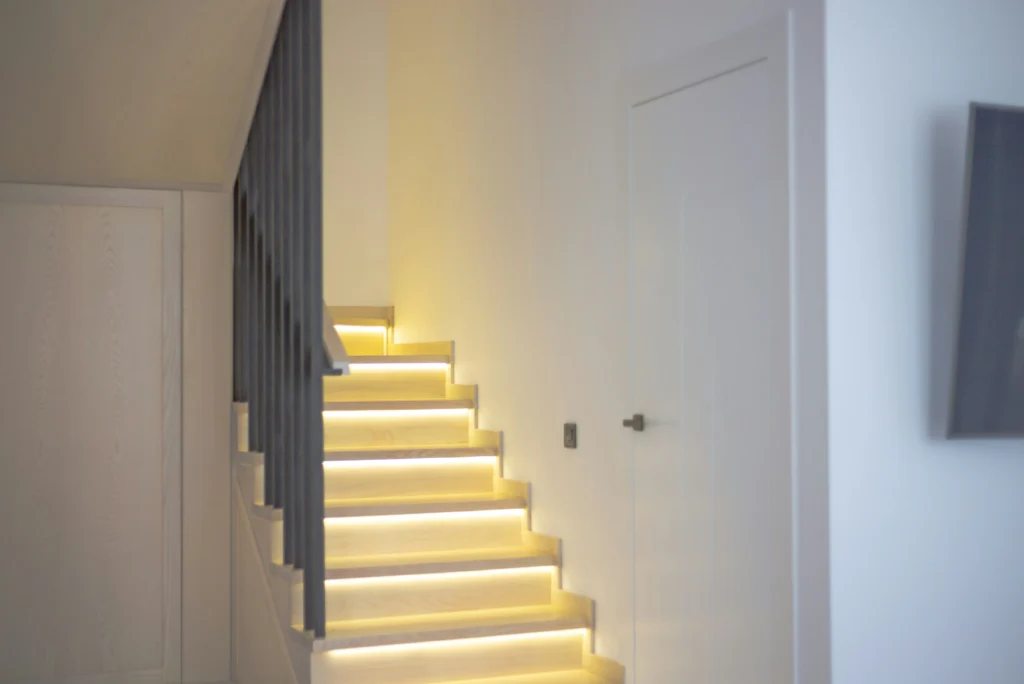
Simple wire rails swap out thick posts for a light air. Built-in LED lights under stairs add safe steps. They also highlight building lines once the sun sets. Small touches like these make evenings feel safe and inviting.
How Can Landscaping Complement the Exterior?
Landscaping finishes the full view by easing where the building meets the ground. It links the build back to the wild—a big part of old farmhouse ways. Today, it uses straight shapes. Plants aren’t just pretty; they make the place feel lived-in and tied to the spot.
Native Plant Choices
Picking plants from the area cuts down on work. It also helps local bugs and birds thrive near homes. Grasses such as switchgrass or fountain grass match the straight wall lines. They sway in the wind like a natural echo.
Gravel Paths and Stone Borders
Easy gravel walks with stone edges make a rough feel against painted walls. They add touch without stealing the spotlight from the build. Walk one on a crisp morning, and it crunches just right underfoot.
Outdoor Lighting Strategy
Evenly placed lights along paths light up the way in. They do it soft, not too bright. Shining lights up on trees adds layers at night. This keeps from overwhelming the front lights. Good setup means no dark corners after dark.
How Do You Maintain Authenticity While Adding Modern Features?
Keeping things true means honoring sizes and feels from farmhouse roots. You do this even as you bring in big glass or smart gadgets. It’s a fine line—push too far, and it loses that homey pull.
Preserving Traditional Forms
Stick to boxy main parts with sloped roofs. Avoid wild uneven shapes too much. Holding back makes designs last beyond fads. Straight forms feel solid year after year.
Updating Materials Responsibly
Man-made wood covers beat raw boards for tough weather. They hold up well but keep a wood-like touch through fake grain. This swap adds strength without losing charm.
Integrating Technology Invisibly
Smart temperature controls or auto shades should slip into rooms without notice. Outside watchers can hide in roof edges. Tech helps daily ease quietly. It does not take over how things look. In busy homes, this means less fuss and more flow.
FAQ
Q1: What Is the Best Siding Material for a Modern Farmhouse Exterior?
A: Fiber cement board-and-batten siding holds up strong against water. It copies wood feel well. This makes it perfect for years of use with low care costs. Many pros pick it for rainy spots.
Q2: Can Brick Be Used in a Modern Farmhouse Design?
A: Yes, but use it in small ways. Often around bases or fireplaces. This keeps it from hiding the light walls common in this look. A touch of red brick can warm up a plain white front nicely.
Q3: How Important Is Lighting Placement Outside?
A: Very key. Sconces by doors or hidden lights in roof edges boost building parts at night. They also make paths safe. Place them wrong, and the whole vibe dims.
Q4: Should Metal Roofs Always Be Silver?
A: No need. Flat black or dark gray shades fit deep color sets well. They keep all the good points of metal roofs. Dark ones hide dirt better in dusty areas.
Q5: What Type of Fence Works Best With This Style?
A: Side-to-side wood slat fences with natural stain give privacy. They line up with the straight lines in most modern farmhouse outsides. Keep slats about 6 inches apart for that open feel.