
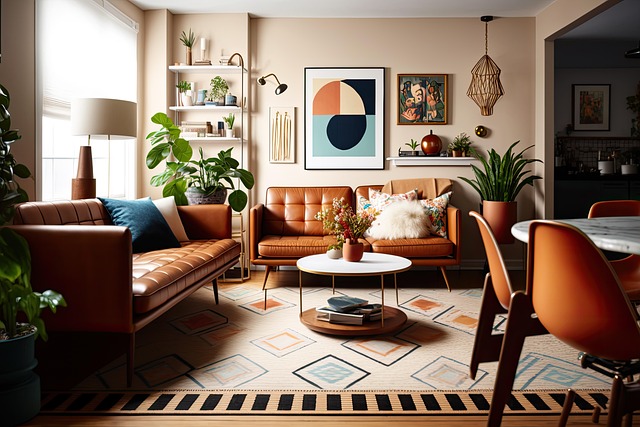
Can Mid Century Modern Bedroom Furniture Transform a Dull Space Into a Cozy Retreat
A “Depressing” Bedroom With Leftover College Furniture Becomes a Cozy Retreat
A once lifeless bedroom filled with mismatched college furniture can evolve into a serene, cohesive retreat through the timeless appeal of mid century modern bedroom furniture. This design philosophy blends simplicity and warmth, emphasizing organic materials, clean lines, and functional comfort. When applied thoughtfully, it transforms not only the visual composition of a room but also the emotional tone—turning chaos into calm. The result is a space that feels both grounded and inviting, where every element serves purpose without excess.
Understanding the Essence of Mid Century Modern Bedroom Furniture
The transformation begins with grasping what defines this enduring design movement. Mid century modern style continues to influence contemporary interiors due to its balance between form and function.
Defining the Mid Century Modern Aesthetic
Mid century modern bedroom furniture is characterized by clean lines, organic shapes, and a focus on practical beauty. The aesthetic relies heavily on natural materials such as walnut, teak, leather, and brushed metal. Designers from this era sought to create pieces that were simple yet expressive—furniture that could stand alone as art while remaining approachable. Colors often lean toward muted earth tones or soft pastels that complement wood grains rather than compete with them. The combination of minimalism and warmth gives these interiors their enduring appeal.
Key Design Principles That Influence Bedroom Atmosphere
In this style, form follows function. Every piece has a clear purpose; nothing is purely decorative. This principle helps maintain uncluttered spaces that promote restfulness. Natural light plays an essential role—large windows or diffused lamps highlight textures in wood or fabric while connecting interior spaces to nature outside. Balanced proportions further enhance tranquility; symmetry and scale are carefully managed so no single element dominates the room.
The Psychological Impact of Furniture Design on Mood and Comfort
Design is not only about aesthetics—it directly affects how people feel within a space. Mid century modern principles inherently support psychological well-being through order, material honesty, and sensory balance.
How Spatial Design Affects Emotional Well-being
When furniture from different eras or styles clashes visually, it can create subtle mental fatigue. In contrast, cohesive design fosters clarity and calmness. Research in environmental psychology suggests that organized spatial layouts reduce stress levels by minimizing cognitive load. A consistent visual rhythm—like repeating wood tones or geometric motifs—creates predictability that soothes the mind.
The Role of Texture, Color, and Lighting in Creating Warmth
Texture brings emotional depth to minimal spaces. Smooth walnut contrasted with woven wool or linen bedding adds tactile comfort without cluttering the visual field. Warm wood tones evoke familiarity and safety; they ground the environment much like natural landscapes do outdoors. Diffused lighting softens shadows and edges, preventing harsh contrasts that can feel sterile or cold. Layered light sources—from bedside lamps to ceiling fixtures—allow flexibility for different moods throughout the day.
Transforming a Dull Bedroom Into a Cohesive Retreat Through Mid Century Modern Elements
Turning an uninspired bedroom into a cohesive retreat requires both analysis and restraint. Before adding new pieces, one must identify what disrupts harmony in the existing setup.
Assessing Existing Space and Identifying Design Challenges
Begin by evaluating proportion: oversized headboards or bulky dressers may overpower small rooms. Visual clutter from leftover college items—plastic drawers or metal frames—often breaks continuity. Removing nonessential objects reveals architectural potential hidden beneath disarray. Identifying focal points such as windows or artwork helps anchor future design decisions around them.
Selecting Core Furniture Pieces for Transformation
Bed Frames and Headboards as Central Anchors
The bed defines hierarchy in any bedroom layout. A low-profile wooden frame emphasizes horizontal lines typical of mid century modern design while maintaining openness near floor level. Upholstered headboards introduce comfort yet remain understated when covered in neutral fabrics like wool-blend tweed or linen.
Dressers, Nightstands, and Storage Solutions
Dressers should feature sleek profiles with tapered legs to preserve airiness beneath them—a hallmark of mid century silhouettes. Integrated storage solutions such as floating nightstands minimize clutter while keeping surfaces clear for essentials like reading lamps or books.
Integrating Complementary Design Features for a Cohesive Look
Once core furniture pieces establish structure, complementary elements refine atmosphere through light, texture, and curated details.
Lighting Strategies That Reflect Mid Century Modern Ideals
Lighting defines mood more than any other element in this style category. Pendant lamps with geometric shades or tripod floor lamps echo sculptural forms from 1950s industrial design movements. Using warm-toned bulbs enhances coziness while avoiding stark white illumination common in utilitarian setups.
The Importance of Accessories and Soft Furnishings
Textiles: Rugs, Bedding, and Curtains
Textiles soften linear geometry inherent in mid century structures. Wool rugs with subtle patterns anchor seating areas while linen curtains filter sunlight gently across wooden surfaces. Natural fibers breathe better than synthetics and age gracefully alongside solid wood pieces.
Artwork and Decorative Accents
Art should complement rather than dominate the room’s tone. Abstract prints featuring muted palettes echo period authenticity without becoming nostalgic clichés. Sculptural ceramics or simple vases add dimension without excess ornamentation—a quiet nod to craftsmanship over decoration.
Achieving Balance Between Functionality and Aesthetic Appeal
True mastery lies in blending usability with beauty so seamlessly that neither feels compromised.
Designing for Practical Comfort Without Sacrificing Style
Everyday comfort depends on ergonomics: drawer heights suited to reachability, bed heights aligned with mattress thickness for ease of movement. Combining vintage-inspired designs with contemporary craftsmanship ensures durability without losing authenticity—a practical approach embraced by many professional designers today.
Maintaining Visual Harmony Over Time
Rooms evolve as lifestyles shift; therefore adaptability matters as much as initial styling choices. Modular storage allows reconfiguration when needs change, while adjustable lighting supports different activities from reading to relaxation at nightfall.
Evaluating the Long-Term Value of Mid Century Modern Bedroom Furniture Investments
Beyond immediate aesthetics lies long-term value—both financial and environmental—that makes this style particularly relevant today.
Durability and Craftsmanship Considerations
Solid hardwood construction resists wear far better than particleboard alternatives common in mass-market furnishings. Quality joinery techniques such as dovetail joints extend lifespan significantly while maintaining visual integrity even after decades of use.
Sustainability and Ethical Material Sourcing
Responsibly sourced timber aligns with global sustainability goals outlined by organizations such as ISO 14001 environmental management standards (ISO). Investing in durable designs reduces waste cycles associated with disposable trends—a meaningful contribution toward sustainable living practices within interior architecture circles.
FAQ
Q1: Why is mid century modern bedroom furniture still popular today?
A: Its timeless proportions and natural materials adapt easily across generations while maintaining emotional warmth absent in many contemporary minimalist styles.
Q2: How can small bedrooms adopt this style effectively?
A: Choose low-profile furniture with visible legs to create openness; keep color schemes neutral but layered through texture rather than pattern overload.
Q3: What lighting best complements mid century decor?
A: Warm ambient lighting paired with sculptural table lamps or pendants preserves intimacy without sacrificing clarity for reading or work tasks.
Q4: Is authentic vintage furniture necessary for achieving this look?
A: Not necessarily; high-quality reproductions using similar materials capture essence affordably while offering improved durability standards suited for daily use.
Q5: How does this design approach improve mental well-being?
A: Consistent visual order reduces cognitive stress while tactile materials like wood foster grounding sensations associated with comfort and calmness according to environmental psychology studies by IEEE-affiliated research groups on human-space interaction (IEEE).