
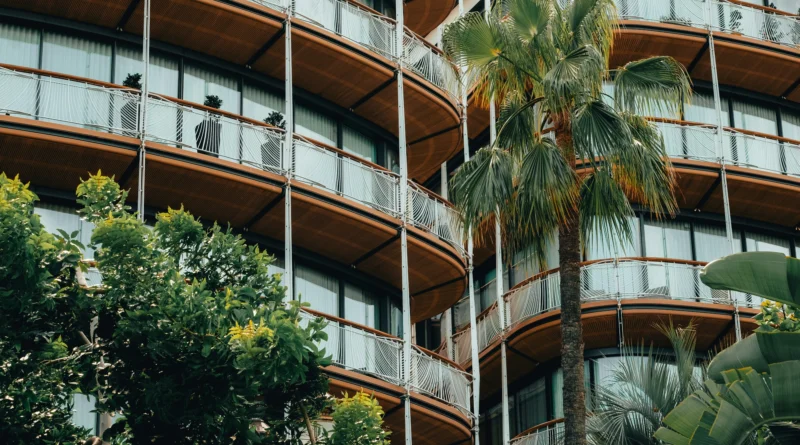
What Is Green Sustainable Architecture And Why It Matters
Green sustainable architecture is not just some quick trend that comes and goes. Instead, it builds into a lively area of study that shifts how we make buildings work alongside the natural world. People working in construction, layout, and town planning find this approach mixes natural elements with solid technical know-how. The main point is to put up spots where energy gets saved, garbage drops, and folks stay cozy. And it all does this without draining supplies needed for later years. Towns and cities spread out more each year. Weather-related troubles pile up. Because of that, the push for this style of building seems more important with every passing moment. Picture a crowded street in the heart of a big town. Now imagine putting some greenery on top of one structure. That basic addition drops the heat in the nearby air. Such a tiny move proves that common building ideas can pitch in to protect our world, one piece at a time. In fact, I’ve seen how these small tweaks in urban spots make the whole area feel less stuffy during those long, hot afternoons.
What Defines Green Sustainable Architecture?
To get what truly sets sustainable building apart, you have to move beyond the basic makeup and the surface appeal. This field calls for seeing the whole picture. Every single piece in a structure links to power consumption, water supply, and support for those living close by.
Integration of Environmental Design Principles
Right at the center of green sustainable architecture sits the drive to lessen damage to the surroundings. Designers achieve this by picking wise options in their plans. Those options pull in natural light, good breezes, and stuff from the earth that grows back over time. The buildings come together to match the local conditions. They flow with them instead of pushing back. For a clear example, consider the passive solar arrangement. Data from the U.S. Department of Energy in 2023 points out that it reduces costs for warmth by up to 30 percent. Construction teams bring in green roofs. They fit in setups for gathering rain. And they pick items already used once. Together, these features build small, self-reliant areas right within busy urban zones. Take a school in California, for instance. They added a green roof last spring. Not only did it keep the building cooler, but kids could even grow veggies up there during recess. That hands-on bit made the whole idea stick with everyone.
Use of Renewable and Recycled Materials
Picking suitable materials counts heavily toward making a real difference that lasts. Common picks include bamboo, timber pulled from old uses, metal from leftover bits, and coatings that give off few bad smells. The reason they appear so much is simple. These choices trim the fumes let out during creation and placement. According to the World Green Building Council, known as WGBC, bringing in reused items lowers the carbon locked in during building by 20 to 30 percent. And this method does more than guard supplies. It also drives a loop system in construction where throwaways become helpful again. Back in a quiet village project that comes to mind, workers turned scrap from a worn-out farm shed into wall panels. That choice kept expenses low. Plus, it added a cozy, homey touch that fit the neighborhood perfectly. Sometimes, those local touches make the building feel like part of the family history rather than something new and cold.
Energy Efficiency as a Foundational Element
The way a structure manages power reveals its strength through the passing seasons. Now, everyday features include smart barriers against cold, glass that handles warmth effectively, and devices that recapture stale air. Many in the trade rely on Building Information Modeling, or BIM, software. With it, they run trials on performance ahead of the actual work. Such steps hold onto funds and shrink the release of harmful gases over extended periods. Think of it as mapping out a drive across country roads. You dodge dead ends. And the journey goes much more smoothly. In my experience from site visits, teams that use these tools often wrap up projects ahead of schedule, which keeps everyone happier on the ground.
How Does Green Sustainable Architecture Benefit the Environment?
Folks usually highlight the upsides for the natural world as the key draw to pick green methods in building. But those advantages stretch past simply cleaner skies. They reshape broad patches of wildlife areas in positive ways. Often, the small details matter most. For example, the shadow from a tall structure can shield a nearby green space, helping grass and flowers thrive even in the peak of summer heat waves.
Reduction in Carbon Footprint
Buildings play a role in roughly 40 percent of global CO₂ releases, as noted by the IEA back in 2022. Designers cut those daily emissions sharply by weaving in pure energy options like solar panels or warmth drawn from below ground. Simple changes make a difference too. For one, swapping out dated bulbs for LEDs slices annual electricity needs by 15 percent. Just last year, in an actual workplace update, that switch covered its own price in only two warming periods. Crews there said it was one of the easiest wins they’d seen in a while.
Conservation of Natural Resources
Tools that sip water sparingly and arrangements to recycle used bath and sink flow guard against losing clean water stocks. Areas short on moisture, such as sections of the Middle East or the parched corners of the southwest United States, gain a lot from these. For a single household, they prevent thousands of liters from wasting away yearly. On top of that, sourcing supplies nearby reduces exhaust from delivery vehicles. It supports work opportunities locally as well. In those dry lands, water holds real value. A neighborhood plot turned garden reused all it could. That effort changed a bare, forgotten patch into a lively area full of fresh produce. Watching families harvest their own food there was rewarding, even if it meant extra meetings to get buy-in from holdouts.
Promotion of Biodiversity
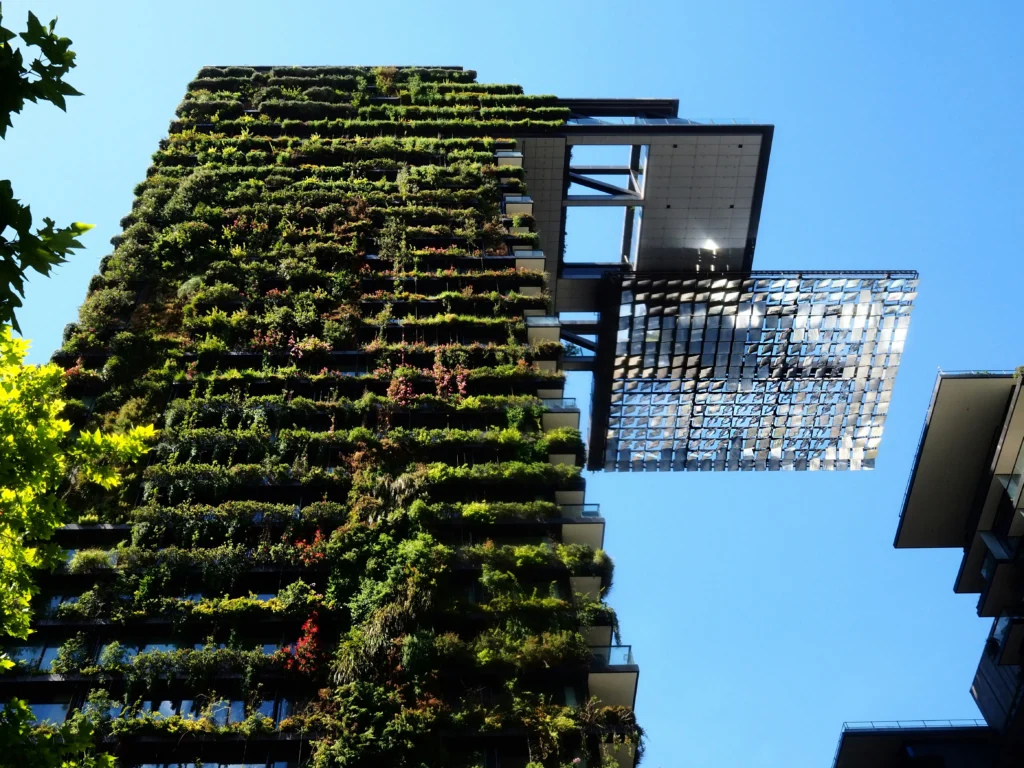
Roofs covered in plants and vertical panels of greenery restore living spaces for animals displaced by city growth. These spots give safe nests for birds and gathering points for helpful insects like bees. Meanwhile, they purify the atmosphere with basic green processes. The example of Singapore stands out. That bustling place shows clearly how structures kind to nature blend into crowded home zones. Seeing colorful butterflies come back to a high-up garden after being gone for so long lifts the spirit. In one park project, we even spotted rare birds that locals hadn’t seen in decades, all thanks to those added plant walls.
Why Is Human Health Central to Sustainable Design?
Going sustainable covers more ground than aiding the planet alone. It shapes nicer places for people to spend their days, whether at home or on the job. Well-being links directly to these efforts. A structure with smooth airflow can shift how occupants sense their surroundings in big ways.
Improved Indoor Air Quality
Standard structures often trap nasty particles from man-made items or scrubbing supplies. Sustainable versions stress circulation that removes fine dust while holding dampness at a good level. Work shared in Environmental Health Perspectives indicates that those in green-approved buildings face less trouble with lungs. Their mental sharpness tests come out stronger too. Inside air that’s clean brings a sense much like strolling through a forest, rain or shine. During allergy season, that difference shows up quick in fewer complaints from staff.
Natural Lighting and Psychological Well-Being
Time spent close to real sunlight influences feelings and task focus in obvious manners. Current planners position openings and bright finishes to draw in maximum daylight. Yet they steer clear of building up too much warmth. Findings from the Harvard T.H. Chan School reveal that employees under natural rays report 51 percent less strain on their eyes than in bulb-lit rooms. Rays of sun pouring through windows raise moods, similar to that first cup of brew at dawn. Offices with big windows often buzz with more energy, or so reports from managers suggest.
Thermal Comfort Without Excessive Energy Use
Getting the indoor feel of temperature spot-on stems from clever forethought, rather than constant hum of large cooling or heating units. Materials packed with the ability to store heat, think rock or compressed soil, maintain evenness in spaces across varying weather shifts. This happens on its own. For regions with chillier air, it translates to less need for extra layers or blasting the furnace. Homes in the mountains using this method stay snug without spiking the power bill, a real plus for families on tight budgets.
How Do Economic Factors Influence Sustainable Architecture?
Sustainable choices lead to cost cuts further along. Still, the initial outlay concerns plenty of makers and purchasers. Cash flow drives decisions in these builds. Finding balance between green aims and financial sense requires thoughtful steps.
Cost-Benefit Analysis Over Time
Tech for green features may run 5 to 10 percent higher right off. That said, viewing the entire span of the structure uncovers solid returns in dollars. Energy charges fall. Repairs happen less often and cheaper. Figures from USGBC in 2021 state that spots with LEED tags reduce daily expenses by 8 to 9 percent. Compare it to picking a tough bicycle. The price hits harder at first. But it endures for seasons without constant fixes. Developers I’ve talked with often point to this long view as the turning point in their pitches to clients.
Market Demand for Eco-Friendly Buildings
The global scene for green structures reached $610 billion in value during 2022, per Allied Market Research. Those looking to lease prefer areas stamped with nature-friendly marks. The draws? Slimmer ongoing payments and a positive look for their company. This trend leads constructors to view eco paths as wise for morals and profits alike. Within expanding urban centers, such buildings fill up quicker with tenants. And that spells success for all sides. In booming markets like Austin, eco labels have become a selling point that boosts property values overnight.
Government Incentives and Regulations
Officials provide rebates on taxes or quicker go-aheads for efforts reaching eco targets. Such helps with startup spending. It matches individual projects to wider national plans against climate shifts. Standards tighten year by year. Tackling them upfront skips future troubles. Local councils in Europe, for one, now tie permits to basic green checks, pushing even small builds that way.
What Role Does Technology Play in Advancing Sustainability?
Modern tools change grand visions into doable actions within the current green construction scene. They ground ideas in reality. Lacking them, too many concepts would linger as sketches.
Smart Building Systems
Devices sense levels of warmth, crowd size, brightness, and air purity on the spot. They adjust controls automatically to hit peak performance. Through the Internet-of-Things, or IoT, parts connect seamlessly. Overseers monitor operations from distant spots. Visual boards display habits of energy across various locations. This proves useful for large outfits with spread-out workspaces. A chain of stores used this to drop their chain-wide power draw by a noticeable chunk, all from a central screen.
Renewable Energy Integration
Outer layers fitted with sun-capturing panels make full faces of structures into power sources. Pair them with holding units for extra juice, and structures balance their own energy needs. This holds true even in cramped urban nooks lacking open land. A tall tower in New York draws light power for its fixtures straight from its skin. What a neat arrangement. Tech like that turns what used to be dead space into a quiet generator.
Digital Simulation Tools
Apps such as Autodesk Revit or EnergyPlus allow planners to predict results prior to ground breaking. They examine breeze movement or the grip of barriers on heat under assorted conditions. Thereby, they lessen errors that rack up bills during actual assembly. Virtual trials preserve hours and dodge unexpected hitches. Teams in Australia swear by these for handling their wild weather swings without on-site redo’s.
How Does Culture Influence Sustainable Design Practices?
Local customs guide the form green concepts take in varied places. Uniformity doesn’t apply here. Regional habits bring unique tastes to the table.
Local Traditions Inform Modern Techniques
Ancient houses in Japan, the minka style, or the clay forts in Morocco, called kasbahs, applied nature-smart habits ages back. These matched their surroundings without modern tags. Present-day creators draw from that old wisdom. They blend it with fresh gadgets. And they hold onto the soul of the culture. Out in country settings, this fusion sits comfortably with the landscape. Villages in Asia still use bamboo frames that echo grandparent builds, now stronger with added supports.
Community Engagement in Design Process
Builds succeed most when area residents step in early. They share in the sketching. That creates a group feeling of pride. It guarantees the end result suits actual wants on the ground. Rather than distant concepts. Chatting with those nearby from day one uncovers problems before they swell. In one town hall redo, input from elders led to wider paths that everyone could use, turning a potential gripe into a community highlight.
Education as Catalyst for Change
Training centers for building design weave green lessons into the heart of their lessons now. Places like MIT’s Building Technology Program or ETH Zurich’s Sustainable Construction Lab make it core. This readies upcoming experts to place nature at the front of their thoughts. As a base, not a side note. Those coming up will turn it into everyday practice. Thus, lasting shifts take root. Programs like these have grads who hit the ground running, already sketching plans that weave in eco bits without prompting.
FAQ
Q1: What distinguishes green sustainable architecture from conventional building design?
A: This style weaves environmental care through each step. Starting with material choice up to power handling. Standard approaches lead with budget or visual charm.
Q2: Are green buildings more expensive to construct?
A: Up front, they do cost about 5 to 10 percent extra. Yet across years, savings appear in lower energy pulls and simpler care needs.
Q3: Can existing buildings be converted into sustainable ones?
A: Absolutely. Fitting in upgraded bulbs or better padding lifts their function a lot. Full rebuilds aren’t required. Many older offices get this glow-up and perform like new.
Q4: How do certifications like LEED or BREEAM contribute?
A: These offer steady guidelines. So measuring eco steps happens fairly across the globe. They guide teams to consistent quality.
Q5: Is sustainable architecture suitable for all climates?
A: It fits everywhere. Adjustments use local goods to match. Warm tropics call for different tricks than frosty zones. Still, the core aim for green holds firm.