
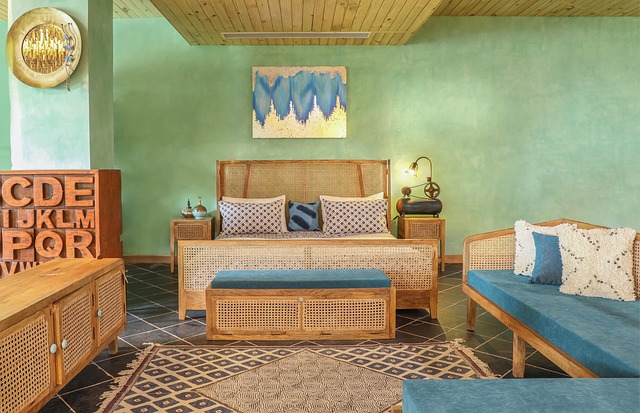
Can Online Success Redefine the Future of an Interior Design Store
Online Success Leads to Home Interiors Shop Opening
The rise of digital commerce has redefined how interior design retail operates. Many brands that began as online platforms now transition into physical showrooms, using data-driven insights to shape real-world experiences. This evolution reflects a strategic shift where online success becomes the foundation for tangible brand presence. The modern interior design store no longer relies solely on aesthetics but on integrated digital ecosystems that merge visualization tools, e-commerce analytics, and consumer engagement. As technology continues to influence buying behavior, retailers who started online are now opening home interiors shops that extend the digital experience into immersive, physical spaces.
The Digital Transformation of Interior Design Retail
The transformation of interior design retail from traditional showrooms to online-first experiences marks one of the most significant industry shifts in recent years. Retailers have realized that digital visibility and interactivity can replicate—and often enhance—the tactile experience once exclusive to physical stores.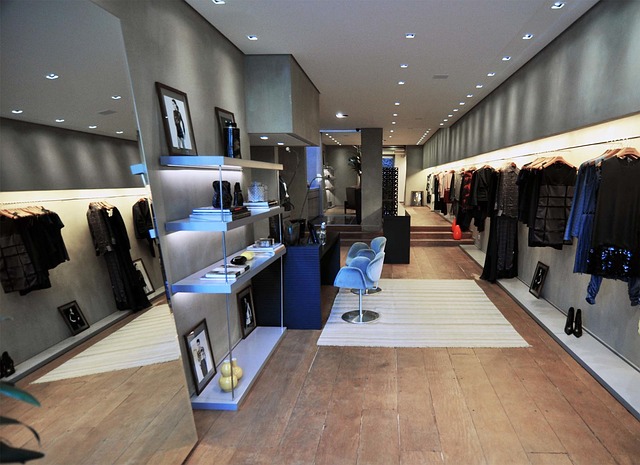
The Shift from Traditional Showrooms to Online Platforms
Online platforms have altered how interior design businesses reach and engage clients. Virtual showrooms and 3D visualization tools allow customers to explore products as if they were physically present, reducing the barriers between imagination and purchase. Brands use these tools not just for convenience but also for storytelling—creating environments where clients can see how furniture or décor fits their lifestyle. Digital presence also extends market access beyond geographic limits, giving small studios global exposure and increasing brand visibility across multiple channels.
The Role of E-commerce in Expanding Design Retail Opportunities
E-commerce has become the backbone of modern interior design retail. By reducing dependency on physical locations, online sales channels allow companies to operate with leaner overheads while maintaining high sales potential. Data analytics embedded within e-commerce systems reveal consumer preferences and purchasing patterns, enabling precise inventory planning and targeted marketing campaigns. Integration with social media platforms further enhances brand storytelling; visual posts and influencer collaborations help create emotional connections that drive repeat engagement.
Building an Online Identity for an Interior Design Store
Establishing a strong digital identity is crucial for any interior design store aiming for long-term relevance. Beyond aesthetics, it requires strategic consistency in branding and messaging across all digital touchpoints.
Establishing a Distinct Brand Narrative in the Digital Space
A coherent brand narrative differentiates a store in a crowded marketplace. Consistent branding—from website visuals to social media tone—builds recognition and trust among consumers. Visual storytelling through curated imagery communicates the store’s design philosophy more effectively than text alone, while thought leadership content such as trend analyses or case studies positions the business as an authority within the industry.
Leveraging Technology for Enhanced Customer Experience
Technology now defines customer experience in design retail. Augmented reality (AR) applications let shoppers visualize furniture in their own spaces before purchase, reducing uncertainty and returns. Artificial intelligence (AI) engines analyze browsing behavior to provide personalized recommendations aligned with individual style preferences. Interactive website features like virtual consultations or mood board builders enhance navigation ease and increase conversion rates by making shopping both intuitive and inspiring.
From Online Success to Physical Presence: A Strategic Evolution
As digital-first brands mature, many seek to translate their online momentum into physical environments. This move is not regression but evolution—an effort to create continuity between virtual engagement and tangible experience.
Translating Digital Insights into Store Design Concepts
Online analytics serve as a blueprint for physical store layouts. Heatmaps showing popular product categories inform display arrangements, while demographic data shapes spatial flow—ensuring visitors encounter designs aligned with their interests. Data on top-performing items guides inventory decisions so stores stock what customers already love online. Maintaining aesthetic consistency between web visuals and showroom interiors reinforces brand identity across both realms.
Creating Synergy Between Online and Offline Experiences
Omnichannel strategies bridge the gap between browsing online and buying offline. Click-and-collect services let customers order products digitally yet enjoy hands-on pickup experiences that build emotional connection with the brand. Unified loyalty programs reward purchases across all platforms, encouraging repeat visits whether online or in-store. This synergy transforms each channel into a reinforcement of the other rather than competition.
Redefining Business Models Through Digital Success
Digital maturity has reshaped not only marketing but also operational models within interior design retail. Businesses are adopting hybrid approaches that combine efficiency with sensory engagement.
The Emergence of Hybrid Retail Models in Interior Design
Hybrid models blend digital convenience with experiential retail settings such as pop-up studios or curated galleries that extend online presence into real-world touchpoints. These spaces act as living catalogs where visitors can interact with materials before ordering digitally. Collaborations with influencers or designers amplify visibility by linking social media buzz directly to foot traffic in physical venues.
Financial and Operational Implications of Going Omnichannel
Transitioning toward omnichannel operations demands investment in robust technology infrastructure capable of synchronizing inventory across multiple platforms. Efficient logistics systems ensure timely deliveries while minimizing stock discrepancies between warehouses and stores. Cost structures evolve too: traditional rent-heavy budgets shift toward digital marketing spend, fulfillment centers, and cloud-based customer management systems that sustain scalability without heavy fixed assets.
Future Trends Shaping the Interior Design Retail Landscape
Looking ahead, sustainability and innovation will continue shaping how interior design retailers operate both online and offline.
The Growing Influence of Sustainability and Ethical Consumption
Consumers increasingly seek transparency about sourcing practices and sustainable materials used in home interiors products. Brands highlight eco-conscious choices through digital storytelling—videos showing recycled materials or ethically crafted furniture resonate strongly with environmentally aware buyers. Sustainable operations not only reduce environmental impact but also enhance long-term brand reputation by aligning values with customer expectations.
Anticipating Technological Innovations in Design Retailing
Emerging technologies promise further disruption within this sector. Virtual reality (VR) showrooms could redefine client consultations by allowing fully immersive walkthroughs before production begins. Blockchain applications may verify authenticity for premium pieces or limited-edition collections, addressing counterfeit risks common in luxury segments. Predictive analytics will refine inventory planning by forecasting demand trends based on historical data combined with real-time market signals—helping interior design stores remain agile amid changing consumer tastes.
FAQ
Q1: Why are online-born interior design stores opening physical shops?
A: Many successful digital retailers open physical locations to provide tactile experiences while using data from their e-commerce operations to shape layout, inventory, and customer service strategies.
Q2: How does AR improve customer confidence when buying home interiors?
A: Augmented reality lets users preview items within their actual space through mobile devices, helping them make informed decisions about scale, color harmony, and fit before purchase.
Q3: What advantages do hybrid retail models offer?
A: Hybrid models merge online efficiency with sensory engagement; they allow customers to explore designs physically while retaining seamless access to digital catalogs for ordering convenience.
Q4: How does sustainability affect modern interior design retail?
A: Sustainable sourcing builds consumer trust and long-term loyalty as buyers increasingly favor brands committed to ethical production methods and reduced environmental impact.
Q5: Which technologies will likely transform future home interiors retail?
A: Virtual reality showrooms, blockchain verification systems, and predictive analytics are expected to reshape how retailers present designs, authenticate goods, and manage inventory efficiently across channels.