
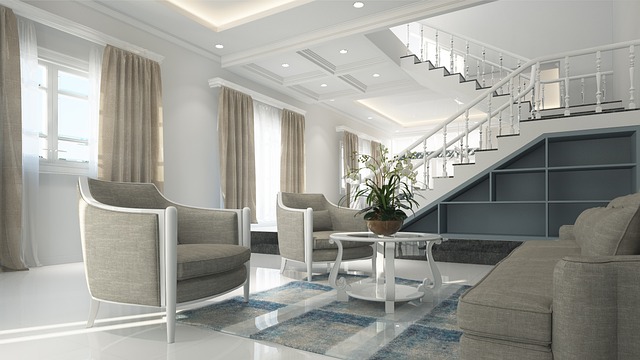
Will Interior Design Services Drive Market Expansion From 2026 To 2030
Market Outlook for Interior Design Services (2026–2030)
The global market for interior design services is entering a period of transformation. Between 2026 and 2030, you can expect the industry to evolve beyond traditional aesthetics into a technology-driven, sustainability-focused sector. The growth outlook reflects not only rising disposable incomes but also a cultural shift toward spaces that prioritize wellness, environmental responsibility, and digital convenience.
Anticipated Growth Trajectory of the Interior Design Industry
From 2026 to 2030, the interior design services market is projected to expand steadily as construction activity rebounds in both residential and commercial sectors. Analysts forecast a compound annual growth rate (CAGR) in the mid-single digits, supported by urbanization and increased investment in real estate development across emerging economies. Urban migration continues to reshape housing demand, while corporate clients seek flexible office environments that accommodate hybrid work models.
Key macroeconomic factors such as consumer spending power, government infrastructure programs, and tourism recovery will sustain this momentum. In developed regions like North America and Western Europe, renovation projects are likely to outpace new construction as cities focus on adaptive reuse and energy-efficient retrofits. Meanwhile, Asia-Pacific remains the fastest-growing region due to rapid urban expansion in China, India, and Southeast Asia.
Shifts in Consumer Preferences and Design Demand
Consumer expectations are evolving quickly. Wellness-centric interiors—spaces designed to enhance physical comfort and mental health—are becoming mainstream. Natural lighting, biophilic elements, and ergonomic layouts are now integral to project briefs. Sustainability also drives purchasing decisions; clients increasingly request recycled materials or low-VOC finishes that align with green building standards.
In commercial design, experiential environments dominate demand. Retailers invest in immersive store concepts blending digital interaction with tactile experiences. Hospitality brands emphasize local culture through customized interiors that tell a story rather than follow a template. Generational shifts add another layer: millennials and Gen Z favor multifunctional spaces with minimalist aesthetics and smart home integration.
Key Drivers Supporting Market Expansion
The next wave of growth will hinge on how effectively firms adopt technology and sustainability principles. Both trends are reshaping workflows and client expectations across every segment of the value chain.
Technological Advancements in Design Tools and Processes
Artificial intelligence (AI), augmented reality (AR), virtual reality (VR), and digital twins are redefining how designers visualize spaces before construction begins. These tools allow clients to walk through virtual models in real time, reducing costly revisions later on. Automation is also streamlining repetitive tasks like space planning or material selection—software can now optimize layouts based on lighting data or user movement patterns.
Cloud-based collaboration platforms have become essential for distributed teams working across borders. Designers can share updates instantly with contractors or clients, improving transparency throughout project lifecycles. As these technologies mature, firms that embrace digital workflows will gain competitive advantage through faster delivery times and higher client satisfaction.
Sustainability as a Core Market Catalyst
Sustainability has moved from niche preference to central business strategy within interior design services. Eco-friendly materials—bamboo flooring, recycled metals, water-based paints—are no longer optional; they’re expected by clients conscious of their carbon footprint. Energy-efficient lighting systems and smart climate controls further reduce operational costs while enhancing comfort.
Regulatory frameworks such as LEED in the United States or BREEAM in Europe continue to push the industry toward measurable environmental performance standards. At the same time, circular economy principles encourage designers to specify modular furniture or reclaimed materials that extend product lifecycles instead of generating waste.
Competitive Landscape and Industry Structure
Competition among global interior design firms is intensifying as technology lowers entry barriers but raises quality expectations. Strategic partnerships between design studios, tech developers, and material suppliers are becoming common routes for innovation.
Major Players and Strategic Developments
Leading multinational firms such as Gensler, HOK, Perkins&Will, IA Interior Architects, and Stantec dominate large-scale corporate projects worldwide. Their strategies increasingly involve mergers or acquisitions aimed at expanding geographic reach or adding specialized expertise—for example, sustainability consulting or digital modeling capabilities.
Market consolidation is evident as boutique studios align with larger groups to access advanced tools or international clientele. Expansion into emerging economies remains a priority: Latin America’s hospitality sector and Africa’s commercial developments represent untapped potential for global players seeking diversification beyond saturated Western markets.
Evolution of Service Models in Interior Design Firms
Traditional project-based contracts are giving way to subscription-style service models where clients retain designers for ongoing updates rather than one-time installations. This approach suits corporate environments requiring periodic reconfiguration due to hybrid work trends.
Firms are also broadening their scope by integrating architecture, lighting design, branding strategy, or even furniture production under one umbrella—offering holistic spatial solutions rather than isolated deliverables. Customization remains key: delivering personalized experiences builds loyalty among high-end residential clients who value exclusivity over mass appeal.
Regional Analysis of Market Growth Potential
Regional variations define much of the opportunity landscape from 2026 onward. Mature markets focus on modernization; emerging ones prioritize expansion.
North America and Europe: Mature Markets with Evolving Trends
These regions exhibit high adoption rates of digital design solutions such as BIM (Building Information Modeling) integrated with VR walkthroughs for client presentations. Redevelopment projects dominate urban centers where land scarcity encourages adaptive reuse of existing structures into mixed-use complexes.
Sustainability compliance is stringent—designers must navigate certifications like LEED Gold or BREEAM Excellent when bidding for institutional contracts. Clients increasingly evaluate proposals based on lifecycle cost analysis rather than upfront pricing alone.
Asia-Pacific, Middle East, and Africa: Emerging Growth Frontiers
Rapid infrastructure development defines Asia-Pacific’s trajectory through 2030. Governments investing heavily in smart city initiatives—from Singapore’s green buildings program to India’s urban renewal schemes—drive massive demand for commercial interiors optimized for technology integration.
In the Middle East, luxury hospitality continues expanding despite oil price fluctuations; Dubai’s hotel pipeline alone sustains steady demand for bespoke interior concepts blending local heritage with modern aesthetics. Across Africa’s growing cities such as Nairobi or Lagos, rising middle-class incomes spur residential renovations featuring contemporary designs previously limited to premium markets.
Challenges That Could Influence Market Dynamics (2026–2030)
Despite optimism about growth prospects, several constraints could temper expansion if left unaddressed by industry stakeholders.
Economic Volatility and Cost Pressures
Inflationary pressures on raw materials—from timber to steel—and labor shortages increase project costs globally. Real estate cycles remain unpredictable; downturns can delay investments in new developments or renovations alike. Firms must therefore balance creative ambition with financial discipline when pricing proposals during uncertain economic periods.
Talent Shortages and Skill Gaps within the Industry Workforce
As technology transforms workflows faster than education systems adapt curricula, there’s a widening gap between available talent and required technical proficiency. Designers skilled in AI-assisted modeling or AR visualization remain scarce relative to demand levels projected beyond 2026. Continuous professional training becomes essential not just for career advancement but survival within an increasingly digitized marketplace.
Emerging Opportunities Beyond 2030 Projections
Looking past 2030 reveals promising intersections between interior design services and adjacent industries like consumer electronics or digital entertainment—fields once considered unrelated but now converging through shared innovation goals.
Integration with Smart Home Ecosystems and IoT Solutions
Connected interiors powered by Internet of Things (IoT) devices will redefine what “comfort” means inside homes or offices alike. Imagine furniture embedded with sensors adjusting lighting based on mood detection algorithms or meeting rooms automatically configuring audio-visual settings via voice command systems developed jointly by tech manufacturers collaborating closely with designers.
Such integrations create new revenue streams through partnerships among appliance brands seeking aesthetic coherence across product lines—a clear opportunity for forward-thinking studios willing to experiment early.
Expansion into Virtual Design Services and Global Clientele Reach
Remote consultation models supported by immersive visualization tools allow designers located anywhere to serve clients worldwide without physical site visits—a trend accelerated during pandemic years but now normalized permanently within business operations.
Digital platforms hosting virtual showrooms enable cross-border collaborations among architects from Tokyo working alongside decorators from Milan on shared cloud interfaces—a future where creativity transcends geography entirely while maintaining personal engagement levels once thought impossible online.
FAQ
Q1: What is driving growth in interior design services from 2026–2030?
A: Urbanization trends combined with rising disposable income levels are major drivers supporting steady expansion during this period across both residential renovation projects and commercial developments globally.
Q2: How does technology influence modern interior design workflows?
A: Technologies like AI-powered modeling software plus AR/VR visualization tools streamline planning stages while enhancing client participation throughout each phase of project execution digitally rather than physically onsite.
Q3: Why has sustainability become central within this industry?
A: Regulatory frameworks promoting energy efficiency alongside consumer awareness about environmental impact push firms toward eco-conscious material choices aligned closely with circular economy principles reducing waste output long term.
Q4: Which regions offer highest potential moving forward?
A: Asia-Pacific leads due largely toward rapid infrastructure expansion whereas North America focuses more heavily upon adaptive reuse strategies improving efficiency inside aging building stocks already established decades earlier.
Q5: What challenges could slow down market progress?
A: Inflation-related cost spikes plus shortages involving technologically skilled professionals capable managing advanced digital systems represent two critical risks potentially constraining overall performance outcomes approaching decade’s end.