
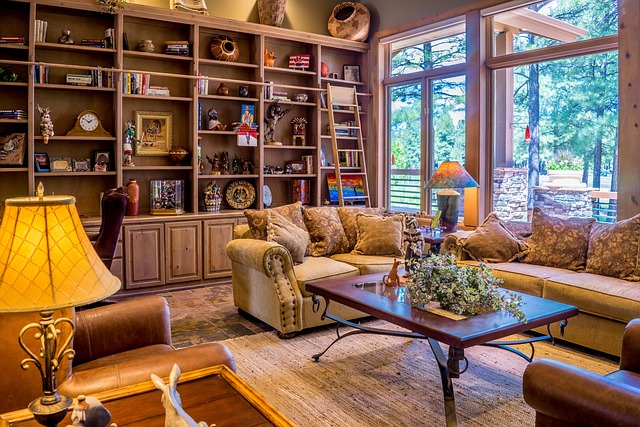
What Makes Interior Design Styles Evolve in 2026 and How Experts Can Adapt
30 Types of Interior Design Styles You Need to Know in 2026
Interior design continues to evolve as technology, sustainability, and cultural influences reshape the way spaces are created. By 2026, you’ll see a blend of traditional aesthetics and forward-thinking innovation defining the most influential interior design styles. This guide explores thirty distinct approaches that professionals should master to stay ahead in the field.
What Defines Modern Interior Design?
Modern interior design emphasizes simplicity, functionality, and clean lines. It often features neutral color palettes and open floor plans that promote natural light. The use of materials such as steel, glass, and concrete remains central. In practice, you might find a living room with low-profile furniture, uncluttered surfaces, and bold geometric art serving as a focal point.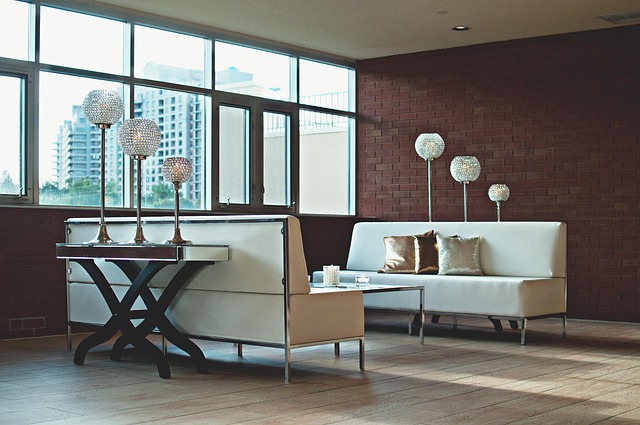
Mid-Century Modern
This style is rooted in the mid-20th century but remains timeless. It favors organic shapes, teak wood, and muted tones accented by vibrant colors like mustard or teal. Designers often integrate vintage pieces with modern lighting to create an elegant balance between past and present.
Minimalist
Minimalism strips away excess to highlight form and function. Spaces are calm and purposeful—white walls, hidden storage, and subtle textures dominate. The focus is on quality over quantity; every piece serves a purpose without visual clutter.
How Does Contemporary Design Differ from Modern?
Contemporary design constantly adapts to current trends while modern design refers to a specific historical movement. In 2026, contemporary interiors will likely emphasize sustainability through recycled materials and smart home integration for energy efficiency.
Urban Contemporary
Urban contemporary combines industrial elements with sleek finishes—exposed brick walls paired with polished marble countertops or matte black metal frames around large windows. It’s popular in loft apartments where raw architecture meets refined aesthetics.
Sustainable Contemporary
With growing environmental awareness, sustainable interiors use reclaimed wood, bamboo flooring, and non-toxic paints. Designers also prioritize modular furniture that can be repurposed or recycled easily at the end of its lifecycle.
Why Is Industrial Style Still Relevant?
Industrial style appeals for its authenticity and durability. Originating from converted warehouses and factories, it celebrates raw materials like exposed pipes, weathered wood, and iron beams. The look feels grounded yet artistic when softened with warm lighting or leather furnishings.
Rustic Industrial
Rustic industrial merges factory grit with countryside warmth—think reclaimed barn doors alongside metal pendant lights. It’s ideal for open-plan homes where texture contrast adds depth without overwhelming the space.
Modern Industrial
Modern industrial tones down roughness by adding sleek finishes such as brushed steel fixtures or minimalist cabinetry while retaining structural honesty through visible ductwork or concrete floors.
What Makes Scandinavian Interiors So Popular?
Scandinavian design remains beloved for its light-filled spaces and focus on comfort through minimalism—a concept known as “hygge.” Natural wood tones mix with soft textiles like wool or linen to create inviting rooms even in colder climates.
Nordic Minimalism
This substyle emphasizes pale color schemes—white walls contrasted with gray furniture—and functional simplicity inspired by nature’s calm palette.
Scandi-Boho
A newer hybrid that blends Scandinavian restraint with bohemian flair: neutral bases layered with patterned rugs, woven baskets, and greenery for a relaxed yet curated feel.
How Does Traditional Design Maintain Its Charm?
Traditional interiors draw from European classicism—symmetry, ornate moldings, rich fabrics like velvet or silk. Despite evolving tastes, this style endures because it evokes familiarity and craftsmanship rarely found in mass-produced designs.
Neoclassical
Neoclassical interiors feature columns, marble floors, gold accents, and balanced proportions reminiscent of ancient Greek architecture but adapted for modern comfort.
Colonial Revival
Inspired by early American homes, this look uses antique furnishings mixed with updated upholstery to maintain heritage while improving livability.
What Defines Transitional Design?
Transitional style bridges old-world elegance with contemporary simplicity. It’s ideal if you appreciate both classic details and modern restraint—neutral palettes anchor spaces while mixing curved traditional furniture with straight-lined modern pieces.
Soft Transitional
Soft transitional tones down contrast using monochrome schemes—beige layered on cream—to create harmony between eras.
Bold Transitional
This variation introduces statement lighting or patterned wallpaper within otherwise subdued surroundings for added personality without breaking cohesion.
Why Is Bohemian Style So Expressive?
Bohemian interiors embrace creativity through color layering and eclectic décor sourced globally—from Moroccan rugs to Indian tapestries. No two rooms look alike because personal storytelling drives the design choices.
Artistic Boho
Artistic Boho focuses on handcrafted items—macramé wall hangings or pottery—that showcase individuality rather than perfection.
Luxe Boho
Luxe Boho elevates casual eclecticism using velvet cushions, metallic accents, and curated vintage finds that convey sophistication amid spontaneity.
What Characterizes Farmhouse Style Today?
Farmhouse interiors have evolved beyond rustic charm into refined comfort blending rural nostalgia with urban practicality.
Modern Farmhouse
Popularized by designers like Joanna Gaines, modern farmhouse uses shiplap walls paired with matte black hardware—balancing simplicity with warmth through natural materials.
French Country Farmhouse
French country farmhouse adds romantic touches such as distressed furniture painted in soft pastels alongside floral fabrics that bring countryside serenity indoors.
How Is Coastal Design Adapting in 2026?
Coastal interiors no longer rely solely on nautical clichés; instead they focus on tranquility through airy layouts inspired by ocean hues—sand beige, seafoam green—and organic textures like rattan or driftwood.
Mediterranean Coastal
Mediterranean coastal draws from Greek islands’ whitewashed walls contrasted by cobalt blue doors while incorporating terracotta tiles for authenticity.
Modern Coastal Retreat
Modern coastal retreat simplifies seaside motifs using minimal ornamentation but maximizing daylight through expansive glazing facing outdoor views.
What Are Emerging Global Fusion Styles?
As globalization accelerates cultural exchange in design aesthetics grows richer blending elements across continents seamlessly within single interiors creating hybrid identities that feel both local universal simultaneously professionals must adapt these cross-cultural influences thoughtfully ensuring coherence rather than chaos within compositions especially relevant hospitality retail sectors where multicultural clientele expect inclusivity reflected spatial narratives
FAQ
Q1: What’s the difference between modern and contemporary interior design?
A: Modern refers to a fixed historical period emphasizing clean lines; contemporary evolves continuously reflecting current trends including sustainability tech integration.
Q2: Which interior design styles are predicted to dominate 2026?
A: Experts anticipate sustainable contemporary Scandinavian minimalism global fusion concepts leading due environmental priorities digital lifestyle shifts (source: Architectural Digest 2024).
Q3: How can designers combine multiple styles effectively?
A: Focus on shared elements like color tone material consistency rather than mixing random motifs maintaining visual balance ensures cohesion across diverse influences (Elle Décor 2023).
Q4: Why does transitional style appeal to professionals today?
A: It offers flexibility merging traditional craftsmanship modern simplicity allowing adaptation across residential commercial projects without alienating client preferences (Interior Design Magazine 2025).
Q5: Are eco-friendly materials now standard practice in interior projects?
A: Increasingly yes many firms adopt certified sustainable woods low-VOC paints recycled metals aligning designs environmental responsibility regulations emerging globally (World Green Building Council Report 2024).