
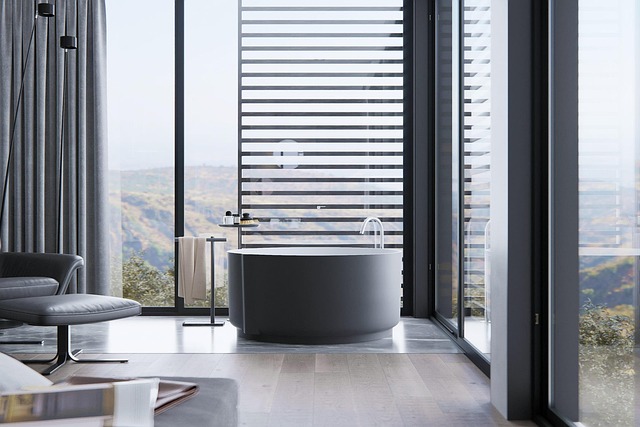
Is Quiet Luxury Truly Transforming Modern Interior Design Trends
Quiet Luxury and Its Role in Redefining Modern Interior Design
Quiet luxury has become a defining concept in modern interior design, shifting the focus from excess to essence. It’s not about showing wealth but about feeling it through craftsmanship, texture, and spatial harmony. This approach resonates with those who value calm, authenticity, and long-term quality over temporary trends. The following sections explore how this movement is reshaping design thinking across history, materials, psychology, and market behavior.
The Concept of Quiet Luxury in Interior Design?
Quiet luxury represents a refined sensibility that celebrates subtle sophistication rather than ostentation. It’s an aesthetic that speaks softly but leaves a lasting impression. In today’s fast-paced world of visual overload, this design philosophy invites you to slow down and appreciate the tactile and emotional nuances of space.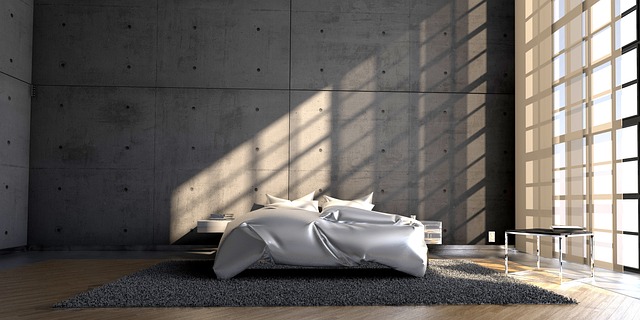
Defining Quiet Luxury and Its Core Principles
Quiet luxury emphasizes subtle sophistication, craftsmanship, and timeless aesthetics. It rejects overt opulence in favor of restraint and material authenticity. The focus lies on sensory experience, comfort, and enduring quality. In practice, this means choosing fewer but better pieces—solid oak instead of veneer, handwoven textiles instead of synthetic blends. Every element feels intentional, contributing to an atmosphere that whispers elegance rather than shouts status.
Historical Context and Evolution of the Quiet Luxury Movement
The roots of quiet luxury trace back to minimalist and modernist philosophies that valued function over decoration. Japanese wabi-sabi introduced the idea of beauty in imperfection and transience, while Scandinavian functionalism emphasized simplicity and utility. Over time, these ideas evolved as a response to mass production and disposable interiors. As society became saturated with consumer goods, designers began to rediscover the emotional depth found in handcrafted objects and uncluttered spaces—a counterbalance to fast consumerism that still defines much of today’s market behavior.
The Aesthetic Language of Quiet Luxury
Quiet luxury communicates through materials more than ornamentation. Its language is sensory—textures you can feel under your fingertips, light that changes gently throughout the day. This aesthetic prioritizes calmness without sterility, warmth without clutter.
Materiality and Texture as Design Foundations
Natural materials such as stone, wood, linen, and wool dominate the palette because they age gracefully. These choices highlight tactile richness over visual noise; a honed marble countertop or brushed brass handle becomes a focal point through its texture alone. Craftsmanship details—joinery joints aligned perfectly or hand-stitched leather seams—speak volumes about quality without demanding attention. In high-end projects today, artisanship is no longer decorative; it’s structural integrity expressed beautifully.
Color Palettes and Lighting Strategies
Muted tones like taupe, sand, ivory, and charcoal create serene environments where light plays softly across surfaces. Layered lighting adds depth: ambient illumination for warmth, task lighting for clarity, accent lighting for intimacy. The goal isn’t brightness but balance—spaces feel alive yet restful. Designers often use dimmable systems or concealed fixtures to maintain visual calm while adapting to different moods throughout the day.
Spatial Composition and Functionality in Modern Interiors
Modern interior design thrives on balance between minimalism and comfort. Quiet luxury achieves this by combining architectural clarity with human warmth—a dialogue between space and emotion.
Balancing Minimalism with Warmth
Minimalism doesn’t mean coldness here; it means precision guided by empathy. Spaces remain uncluttered yet welcoming through natural textures like wool rugs or curved wooden furniture that soften geometry. Furniture tends toward sculptural simplicity—pieces by designers such as Jean Prouvé or contemporary studios focusing on organic silhouettes rather than ornate detailing. The spatial flow encourages harmony: furniture placement complements architecture instead of competing with it.
Integration of Technology Without Visual Dominance
Technology is essential but invisible in quiet luxury interiors. Smart systems hide within cabinetry or behind walls so that screens don’t interrupt serenity. Materials such as acoustic wood panels can conceal speakers or ventilation systems seamlessly integrated into ceiling lines. This approach ensures function supports form rather than dictating it—a hallmark of refined modern living.
The Psychological Dimension of Quiet Luxury Design
Beyond aesthetics lies psychology: how space makes you feel matters as much as how it looks.
Emotional Resonance Through Subtle Detailing
Quiet luxury nurtures emotional well-being through tactile engagement—the coolness of stone underfoot or softness of linen curtains brushing your skin fosters mindfulness in everyday routines. Subtle detailing encourages presence; when every surface feels considered, you naturally slow down to notice it. This introspective experience transforms interiors into sanctuaries rather than showrooms.
The Role of Space in Shaping Perception of Value
Luxury today isn’t measured by gold accents but by proportion, light quality, acoustics—the intangible qualities shaping how space breathes around you. Silence itself becomes luxurious when architecture absorbs noise effectively through material choices like cork floors or fabric-lined walls. Texture replaces ornamentation as the new currency of value; rhythm within spatial planning creates emotional cadence that defines true sophistication.
Influence on Contemporary Design Practices and Market Trends
Designers worldwide are translating quiet luxury principles into new creative frameworks that prioritize authenticity over spectacle.
How Designers Are Adapting Quiet Luxury Principles Today
Studios now favor bespoke craftsmanship over industrial repetition because individuality signals value more convincingly than branding ever could. Collaborations with local artisans bring cultural narratives into global projects while ensuring sustainable sourcing practices align with longevity ideals central to quiet luxury’s ethos. Sustainability isn’t an add-on here—it’s intrinsic since durable materials naturally reduce waste cycles over decades.
Market Demand and Client Expectations in High-End Projects
Clients increasingly gravitate toward understated refinement; they want homes that feel timeless rather than trendy showpieces destined for quick renovation cycles. Investments shift toward pieces designed to last generations—solid timber dining tables or modular sofas reupholstered easily after years of use. Even real estate staging reflects this change: developers showcase subdued palettes and natural finishes signaling enduring worth instead of fleeting glamour.
The Future Trajectory of Quiet Luxury in Modern Interior Design
As digital saturation intensifies daily life, people crave tangible calm at home—a trend suggesting quiet luxury will outlast stylistic fads.
Cross-Cultural Adaptations and Global Relevance
Regional interpretations enrich quiet luxury globally: Italian studios blend it with artisanal marble traditions; Japanese architects merge it with biophilic principles connecting indoor spaces to nature; Scandinavian designers integrate local woods emphasizing sustainability alongside serenity. These cross-cultural hybrids expand its vocabulary while keeping core values intact—authenticity, restraint, tactility.
Longevity of the Movement Within the Broader Design Landscape
In an era dominated by screens and rapid consumption cycles, tactile authenticity becomes more desirable each year. Quiet luxury may evolve into a long-term paradigm emphasizing human-centered environments grounded in emotion rather than novelty—a philosophy aligning perfectly with the future trajectory of modern interior design focused on wellness-driven living spaces.
FAQ
Q1: What distinguishes quiet luxury from minimalism?
A: Minimalism focuses on reduction for clarity; quiet luxury adds warmth through material richness while maintaining restraint.
Q2: Why is craftsmanship central to quiet luxury?
A: Because true refinement lies in detail—precise joinery or hand-finishing communicates care beyond visual appeal.
Q3: How does lighting influence quiet luxury interiors?
A: Layered lighting creates depth without glare; ambient sources foster tranquility aligned with the movement’s calm ethos.
Q4: Is quiet luxury sustainable?
A: Yes, its emphasis on durability and authentic materials naturally supports sustainability by reducing replacement frequency.
Q5: What future trends might shape quiet luxury further?
A: Integration with biophilic design and digital minimalism will likely deepen its relevance across global markets seeking balance between technology and tactility.